كنيسة سيّدة الإنتقال - تنورين الفوقا
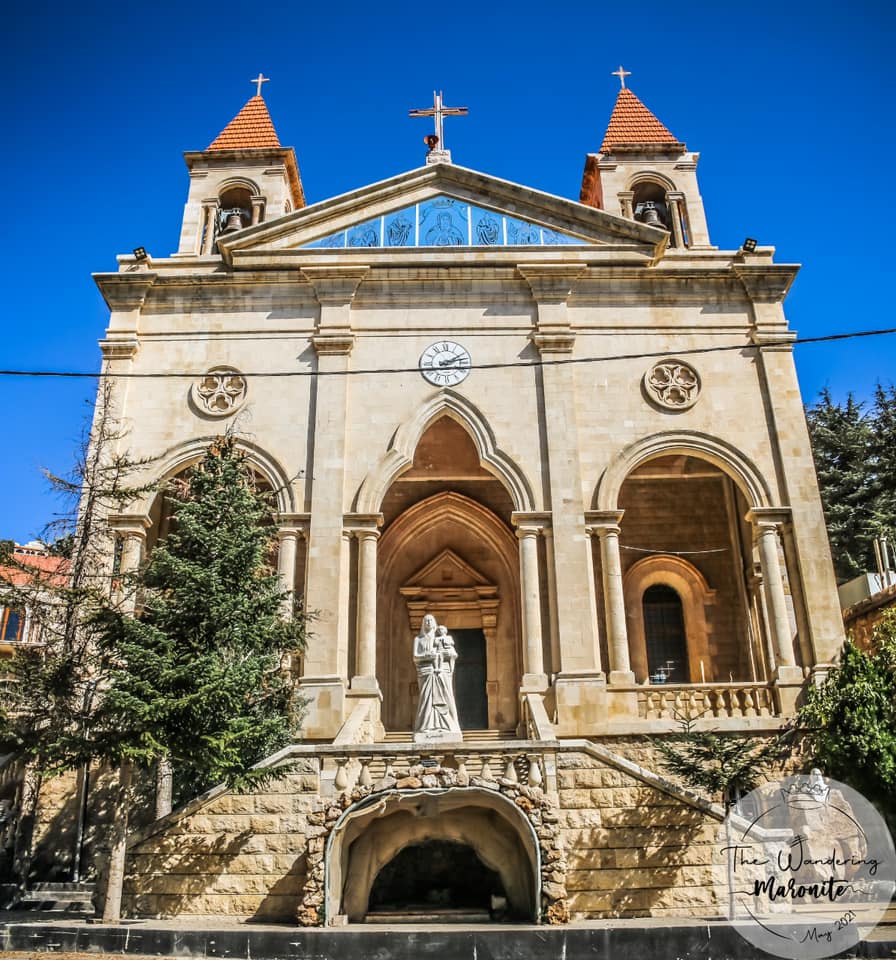
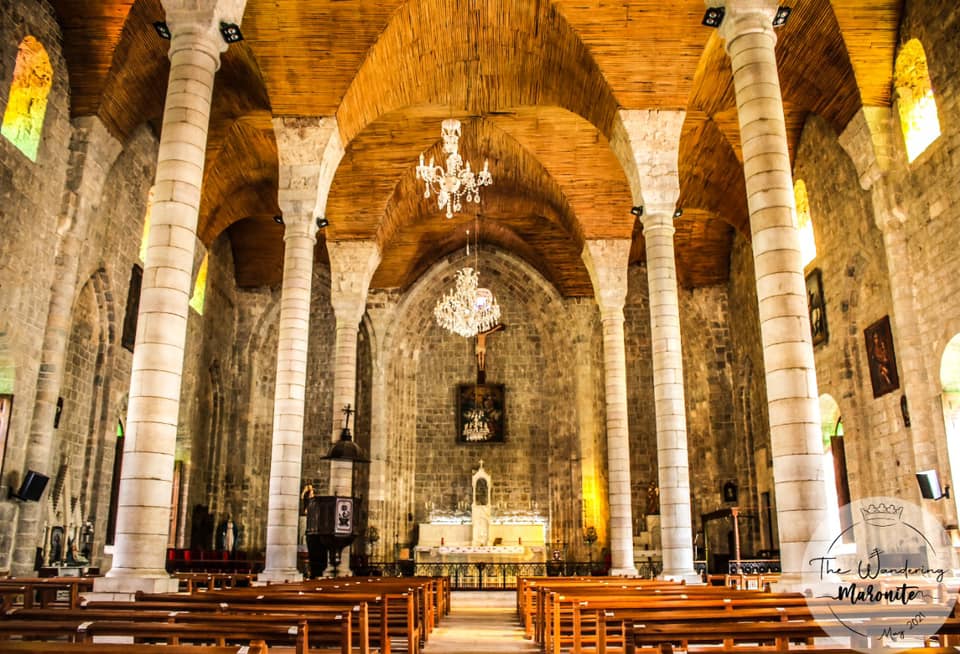
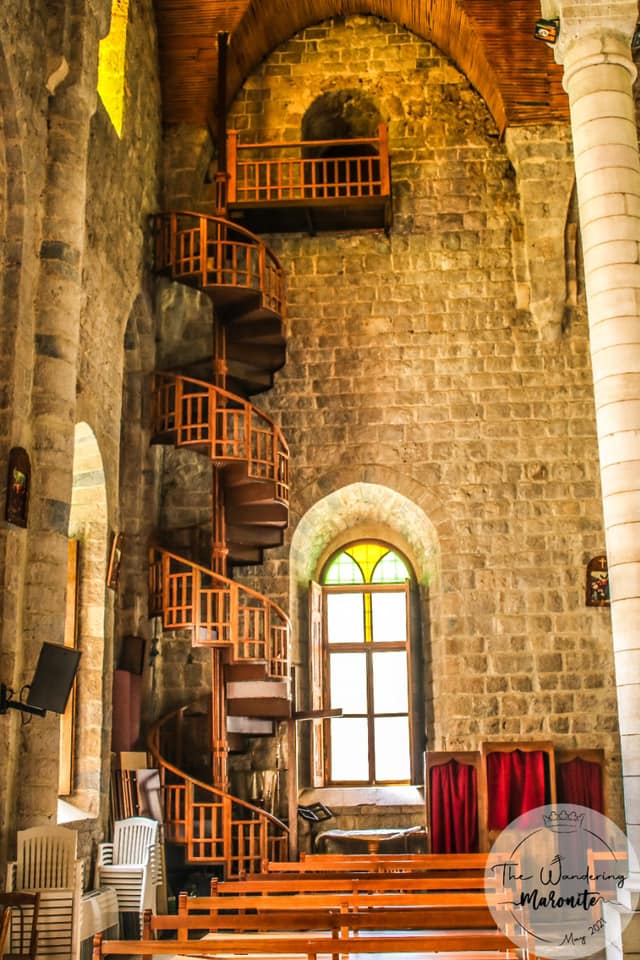
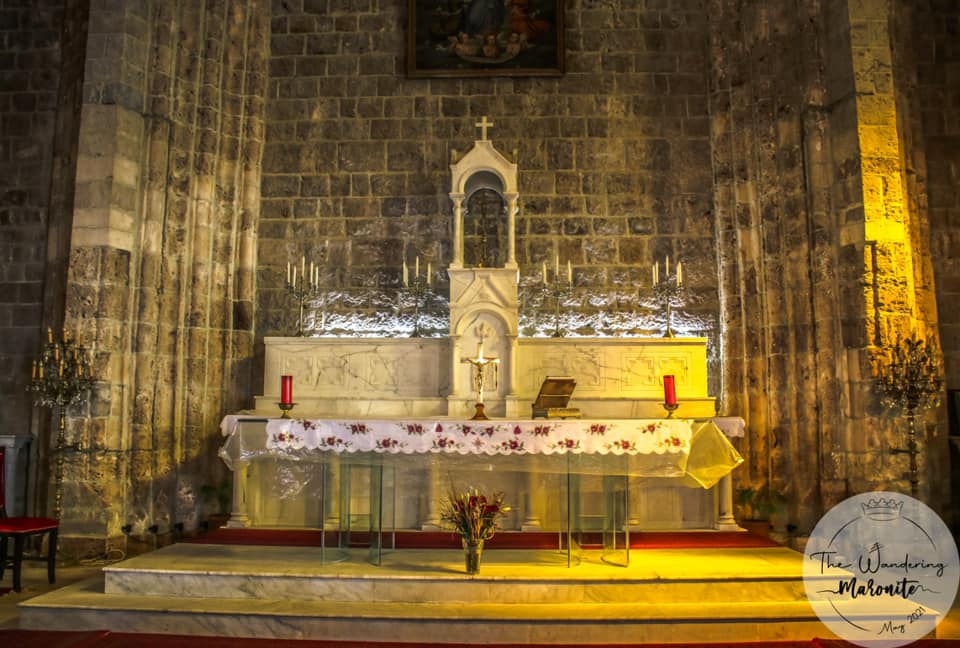
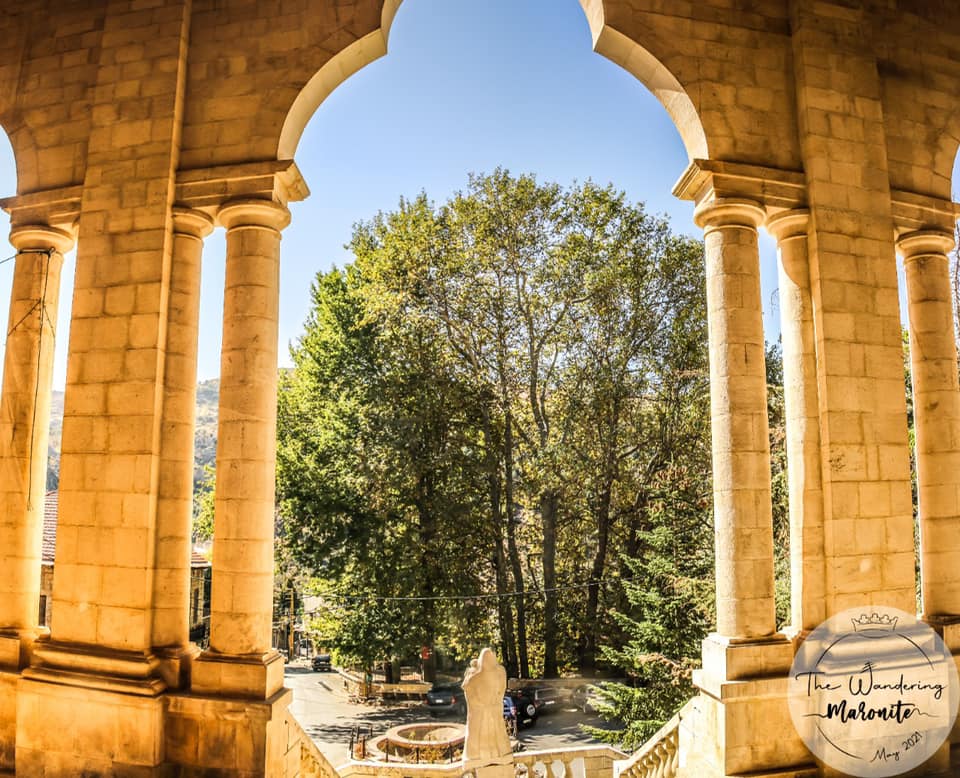
بُنيت هذه الكنيسة على أنقاض كنيسة أقدم تعود للقرن الثامن. بوشر البناء سنة ١٨٧٠ وتمّ سنة ١٩٢١ فكانت أكبر كنيسة في لبنان آنذاك. رُمّمت سنة ١٩٧٩ وأظهر الترميم العقد المصنوع من خشب الأرز. سنة ١٩٩٦ إستُقدمت الساعة من إيطاليا.The church of Our Lady of Assumption - Tannourin el FawqaThe church was built over an older church dating back to the VIIIth century. The construction began from 1870 until 1921, becoming the biggest church in Lebanon at that time. The church was restored in 1979 and the cedar wood roof was revealed. A bell tower imported from italy was added to the structure in 1996.
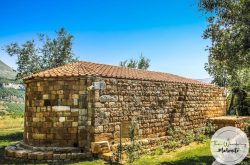
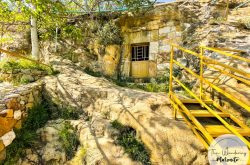
يعود بناء الدّير إلى القرون الوسطى، لكنّ الموقع يحوي الكثير من الآثار التي تشير الى استخدامه كحصن بسبب موقعه الاستراتيجيّ. وتشير التقاليد والموروثات أن الموارنة تحصّنوا به إبّان حملة المماليك على جبّة بشرّي. بقي الدّير لمدّةٍ طويلةٍ مزارًا لأهل البلدة. رممّ الموقع سنة ٢٠١٥ وكرّسه البطريرك بشارة بطرس الراعي. يتألف الموقع من الكنيسة الأثريّة بقلب المغارة، آثار القلالي والحديقة الجديدة. The monastery of the Prophet Elijah - Hadshit
The monastery dates back to the middle ages yet the site was an antique garrison due to it’s strategical location. According to tradition the maronites took refuge in the monastery during the Mamluk’s campaign on the region of Jebbe. The monastery was a shrine for a long period of time. It was restored in 2015 and consecrated by the Patriarch Bechara Boutros el Raii. The site includes the cave church, the ruins of the cells and the new garden.
بعد محاولته العودة إلى أنطاكيا ورجوعه الى جبل لبنان سنة ٧٥٠، سكن البطريرك الرابع يوحنّا مارون الثاني و من بعده خلفائه البطاركة دير مار جرجس الأزرق يانوح لخمسمئة سنة إلى سنة ١٢٧٧. يُعزى ذلك بحسب المؤرخين لثلاثة أسباب : كون يانوح منطقة جبليّة عاصية، قربها من معبر المنيطرة القريب الى البقاع، وتقوى أهل يانوح بحسب البطريرك الدويهيّ. في القرن الثامن بُنيت كنيسة أم الله في الصرح البطريركيّ لجهة الشمال، وجدّدت في أيّام الصليبيّين. سنة ١٢١٥ صدر أمر البابا اينوشنسيوس الثالث الى الأساقفة الموارنة بالخضوع للبطريرك في كرسيّ يانوح. ضمّت هذه الكنيسة مخطوط إنجيل رابولا. بعد القرون الوسطى خرب الدّير والكرسيّ. رمّمت الكنيسة بسعي البطريرك بشارة بطرس الراعي وأعيد تكريسها سنة ٢٠١٧. تضمّ العرش البطريركيّ القديم، وعلى زواياها نقشت الصلبان المثنية الأطراف.
The church of the Theotokos our Lady Mary - Yanouh
After his failed attempt to go back to Antioch the fourth Maronite patriarch John Maroun II move his seat to the monastery of St George the blue in Yanouh in 1750. The patriarchal seat remained there for 500 years until 1277. The main reasons that Yanouh was chosen was because of the mountainous nature of the region, the closeness to the pass of Mneitra and to the region of Bekaa, and the locals piety described by patriarch Douwaihy. In the VIIIth century the church of the Theotokos was built north of the patriarchal seat, and renewed during the crusades. In 1215 an edict by pope Innocent III ordered the maronite bishops to obey the patriarch in the sear of Our Lady of Yanouh. This church held the Codex Rabbula. After the middle ages the church fell into despair, it was renewed by order of Patriarch Bechara Boutros el Rai in 2017 and reconsecrated. The church holds the old patriarcal throne and has two egged crosses on the four sides of the structure.
كنيسة سيّدة الدرّ - بشرّي سيدة الدرّ أو الوريسة كان معبدًا فينيقيًّا تحوّل الى كنيسة في القرن الحادي عشر. بحسب الأب بطرس ضو "تحوّل هذا المعبد الى كنيسة، وكان يوجد فيه رسوم جدرانيّة من القرن الثاني عشر وتحتوي على أسماء القدّيسين باليونانيّة، مما يدلّ على أن الموارنة في وادي قاديشا كانوا حتى القرن الثالث عشر على اتصال بالحضارة البيزنطيّة". الكنيسة عبارة عن مغارة محفورة في الصخر ذات خوروسين، لعلّ جداريتها الأجمل هي الظهور الإلهيّ.
The church of Our Lady of the Milk - Bcharre
The church of Our Lady of the Milk or El Waryse is a Phoenician temple converted in the XIth century. According to the historian Fr. Boutros Daw: ”The shrine was converted into a fresco covered church in the XIIth century with the saints name written in greek, indicating that the Maronites in that era kept contact with the Byzantines”. The church consists of a man made cave with a double apse. The best kept fresco is that of the Epiphany over the altar.



Reviews are disabled, but trackbacks and pingbacks are open.